
Smartifier
An LLM-powered conversational platform that lets anyone — with zero coding skills — design, build, and automate smart objects just by talking.
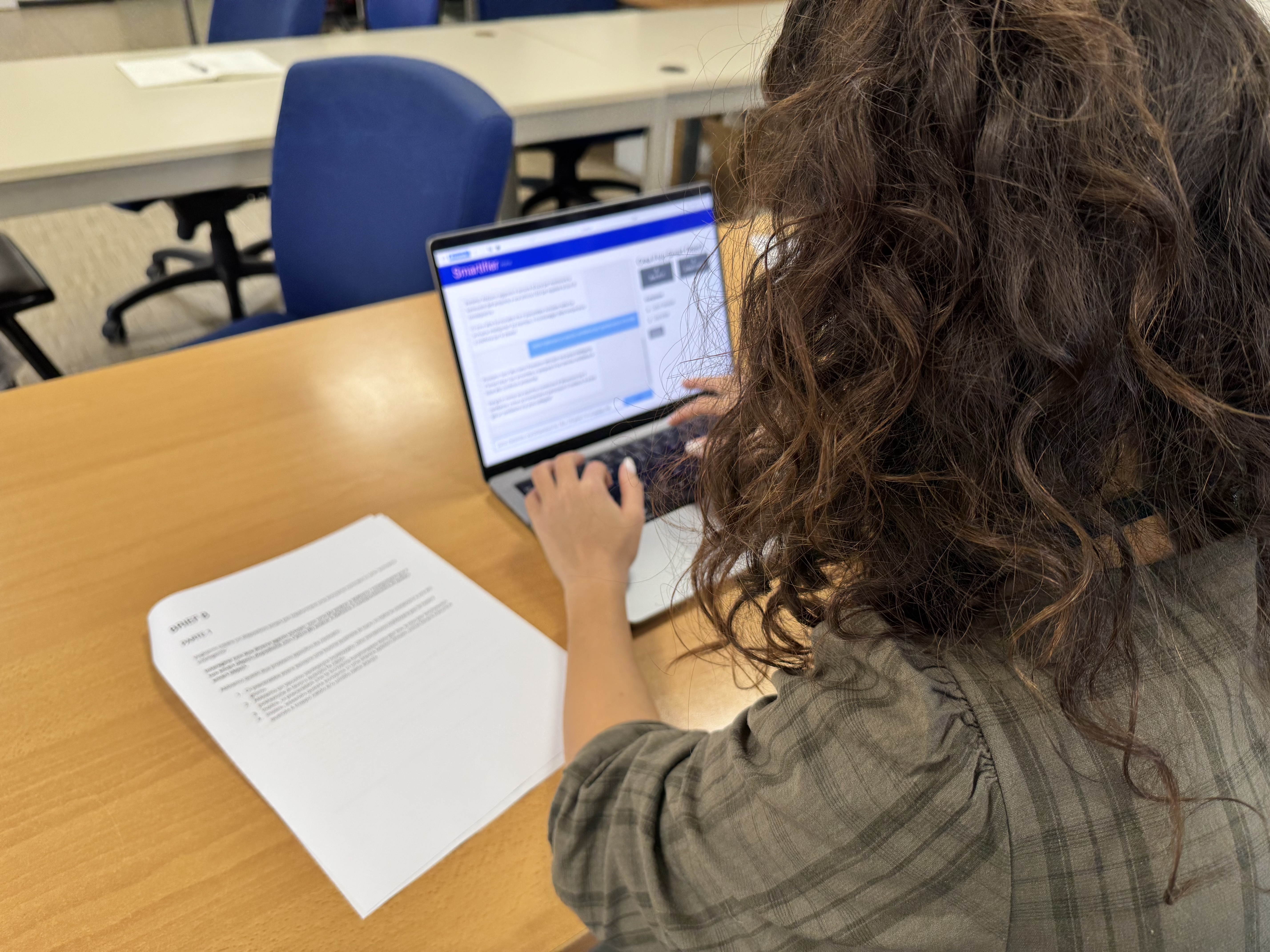
Building smart objects is still an expert-only activity.
It requires programming, electronics, and networking skills that shut out the vast majority of people. Existing End-User Development tools — IFTTT, Node-RED, and similar platforms — simplify rule creation, but none of them cover the full pipeline: from understanding what a person actually needs in their daily life, all the way to generating and deploying working firmware on a physical board.
A conversational platform for the full IoT creation pipeline.
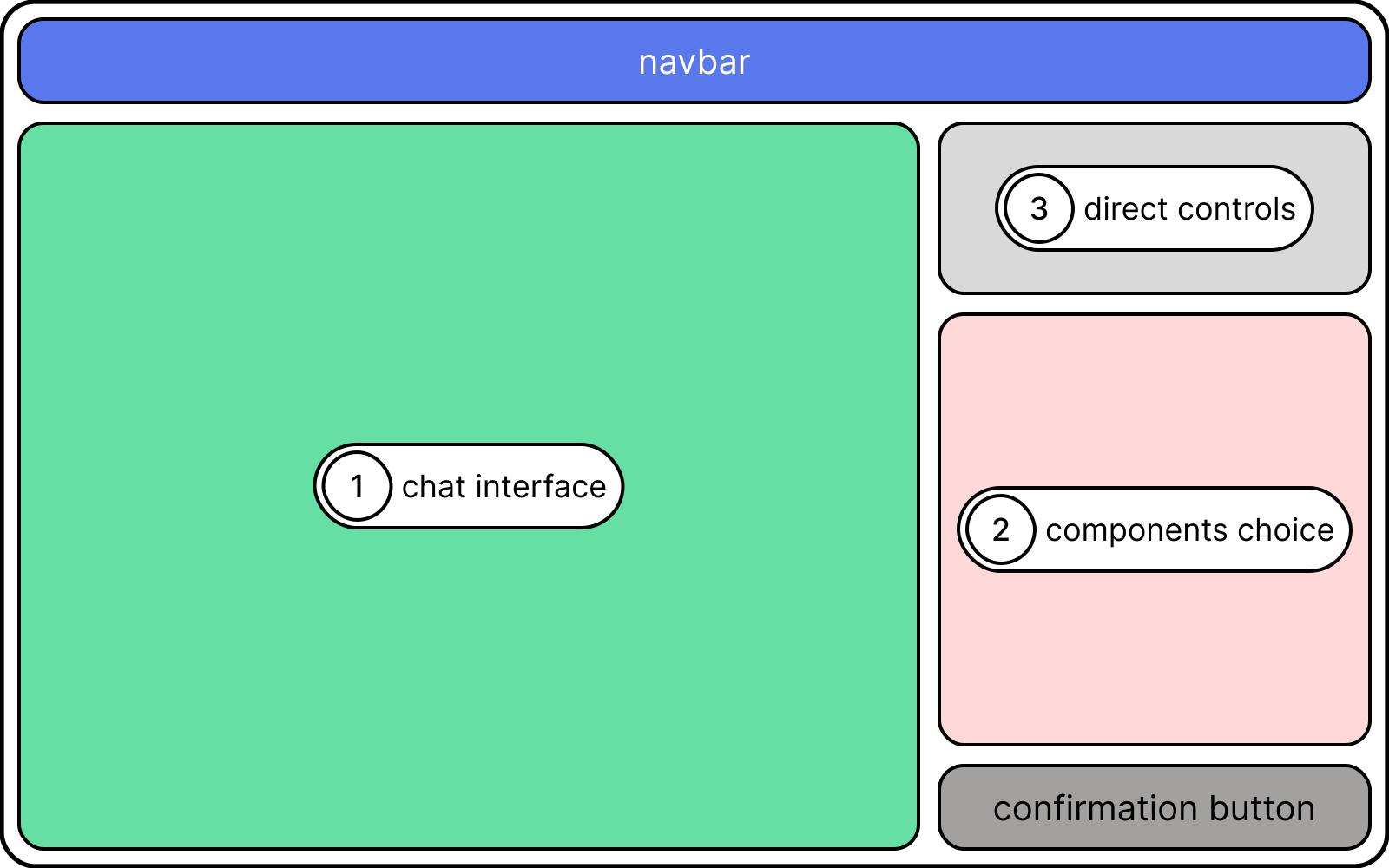
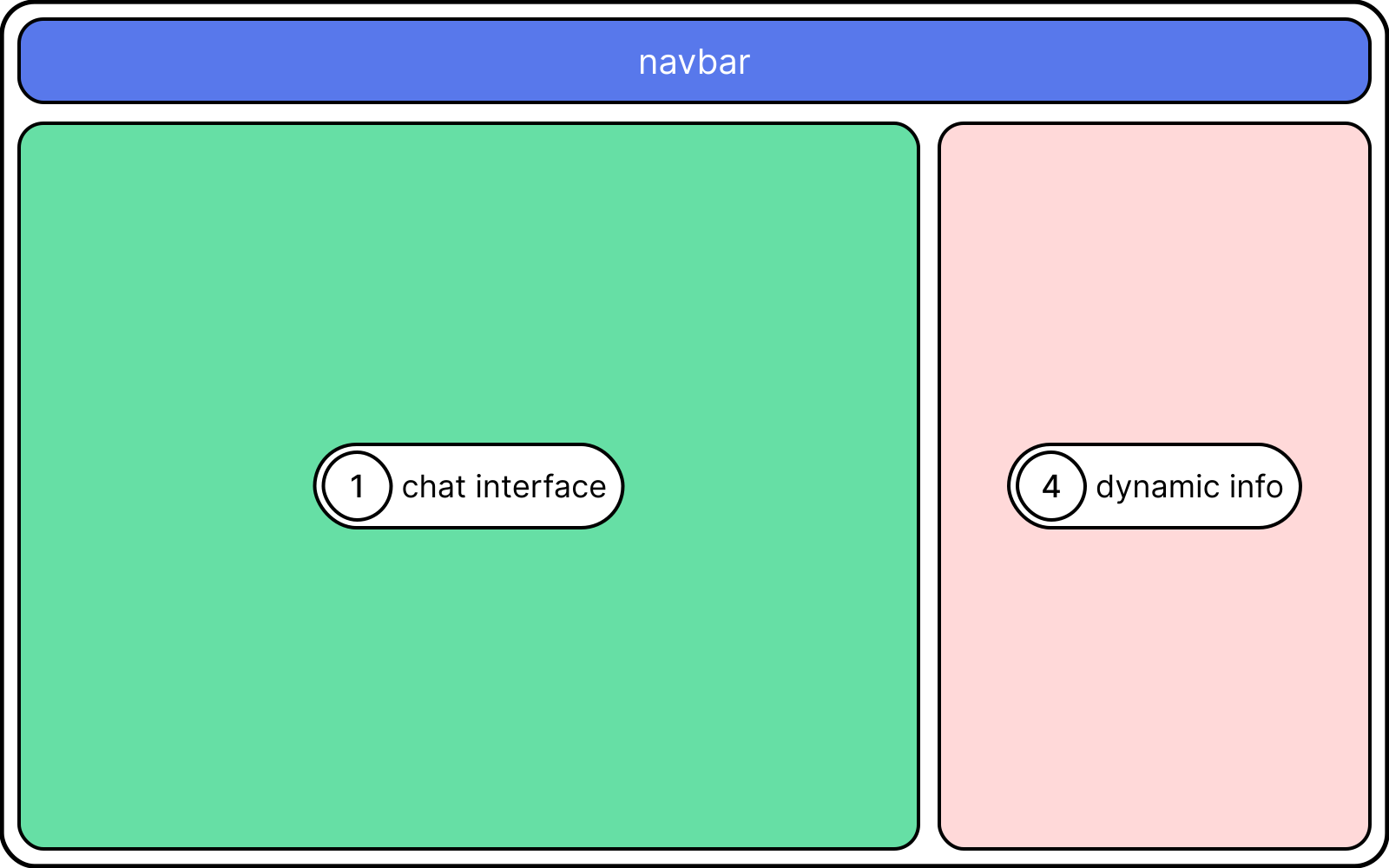
Smartifier walks non-technical users through the entire process — from expressing a need to flashing working firmware — through natural language conversation. The system is split into two chat interfaces: the Smart Object Builder (SOB) for device creation, and the Rule Builder (RB) for automations. The user never sees a line of code.
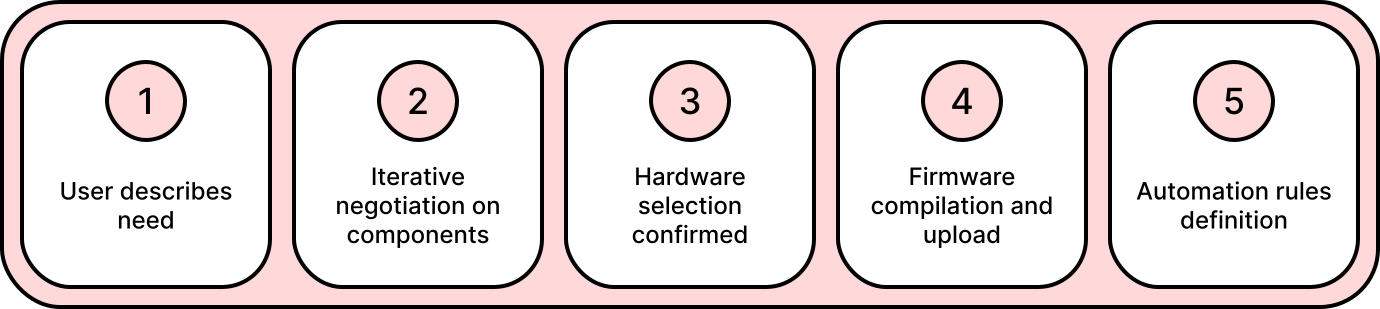
End-to-end ownership — from research to firmware.
Designed the conversational strategy, the two-chatbot architecture (SOB + RB separation), and the sidebar feedback mechanism. The key design decision was decoupling device creation from behavior definition, allowing each to be refined independently throughout the object's lifecycle.
Built the backend (Python/Flask), integrated the ChatGPT Assistants API with custom function calling, and developed the Smartifier Engine — a PlatformIO-based toolchain that compiles C++ firmware from JSON schemas generated by the LLM.
Designed and ran the technical benchmarking: 200 custom prompts across 4 categories (proper, twisted, truncated, superfluous), tested on 3 GPT models at multiple temperature values. Selected the optimal model-temperature pairing to minimize hallucinations.
Planned and conducted the user study (17 participants, no ICT background), including questionnaire design (SUS, NASA-TLX, NPS) and expert evaluation of produced artifacts.
Led the thematic analysis of all conversation logs following Braun & Clarke's framework, producing actionable design heuristics for conversational EUD platforms.
Two chatbots, one seamless experience.
17 non-technical users. High correctness, low cognitive load.
The user study involved 17 participants with no programming or IoT background. They were asked to design smart objects and define automation rules for two real-life scenarios (plant care and smart desk) using only natural language conversation.
The system achieved high correctness in both device creation (up to 98%) and rule generation (up to 93%), confirming that LLM-driven conversation can effectively bridge the gap between everyday needs and technical IoT specifications.
Three heuristics from 17 conversation logs.
How users describe a need ("the blinds stay closed" vs. "the plant doesn't get enough light") leads the LLM to propose fundamentally different solutions — motorized blinds vs. artificial lighting. The system should actively guide users toward precise problem descriptions.
When the sidebar clearly showed selected components (SOB), users rarely asked the bot for confirmation. When feedback was less visible (RB), all 10 reassurance requests occurred — users resorted to natural language to fill the gap.
When the Rule Builder explained automations in terms of the user's daily routine ("after breakfast, press the button to start irrigation") rather than technical parameters, comprehension and perceived usefulness increased.